St Narc
The Rich

HISTORY

of the Parish

PARISH IDENTITY
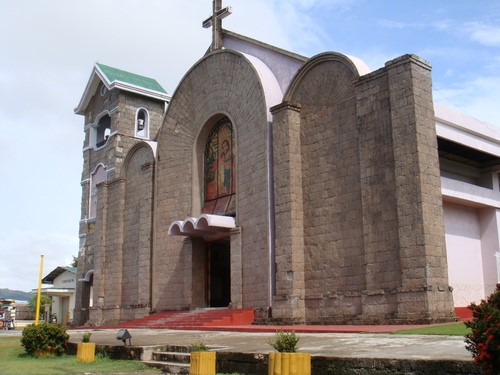
St joseph parish church

Exterior Architecture

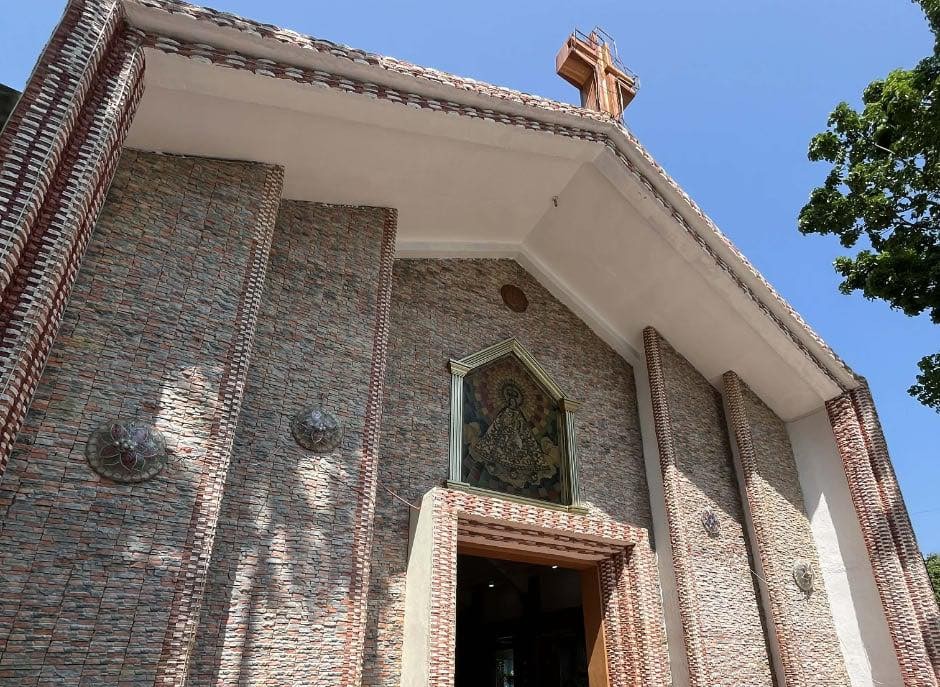
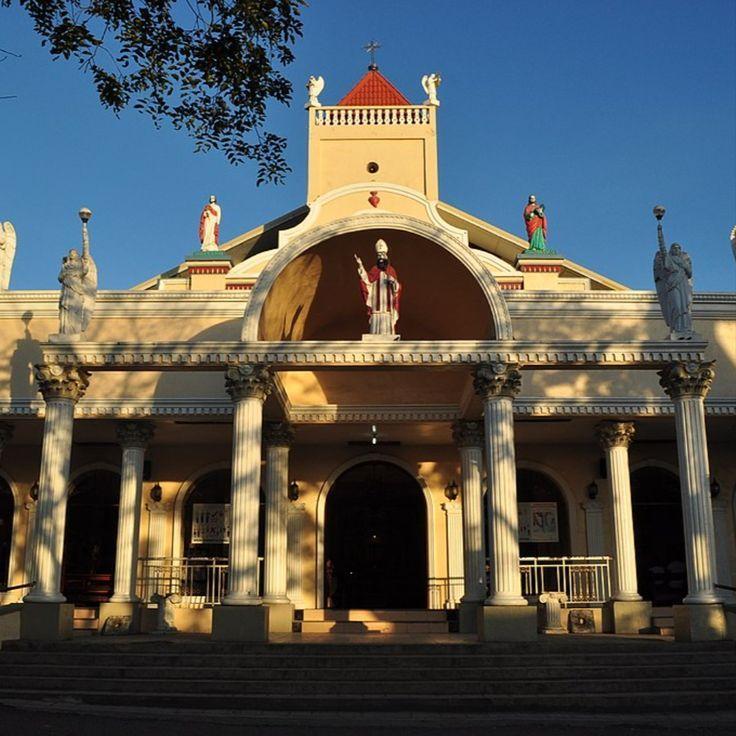
The exterior of St. Joseph the Worker Parish reflects a harmonious blend of traditional ecclesiastical design and local architectural character. Its façade presents a simple yet dignified structure, often defined by clean lines, balanced proportions, and a prominent entrance that invites the faithful into worship. The use of durable materials such as stone and concrete speaks to both resilience and permanence, while subtle decorative elements highlight the parish’s spiritual identity without overwhelming its modest charm.

Church Façade and Entrance

The main façade serves as the visual and symbolic gateway to the parish. Typically marked by a central doorway and flanked by symmetrical features, it draws attention to the sacredness of the space within. Above the entrance, religious imagery or the patron saint’s emblem—honoring Saint Joseph—may be displayed, reinforcing the parish’s dedication. The entrance area often becomes a gathering point for parishioners, especially during major liturgical celebrations and community events.
Interior

Interior Worship Space

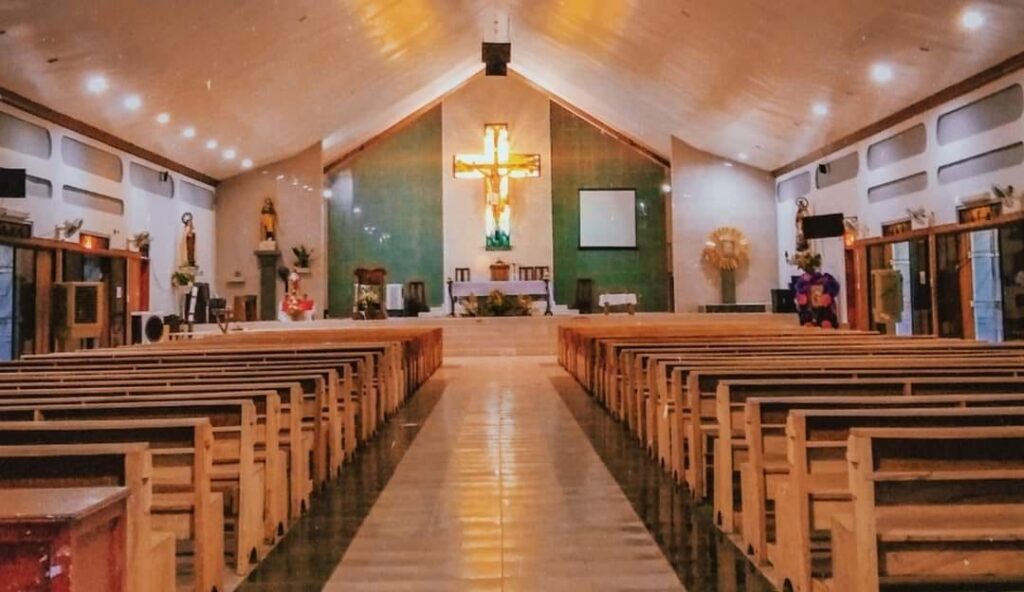
Inside, the church offers a solemn and contemplative atmosphere designed to foster prayer and reflection. The nave is arranged to accommodate the faithful comfortably, with rows of pews oriented toward the altar—the focal point of the sacred space. Natural light filtering through windows enhances the spiritual ambiance, while the overall layout emphasizes unity and participation in the liturgy. The simplicity of the interior allows worshippers to focus on the sacred rites celebrated within.
Accessories

Sanctuary and Liturgical Elements

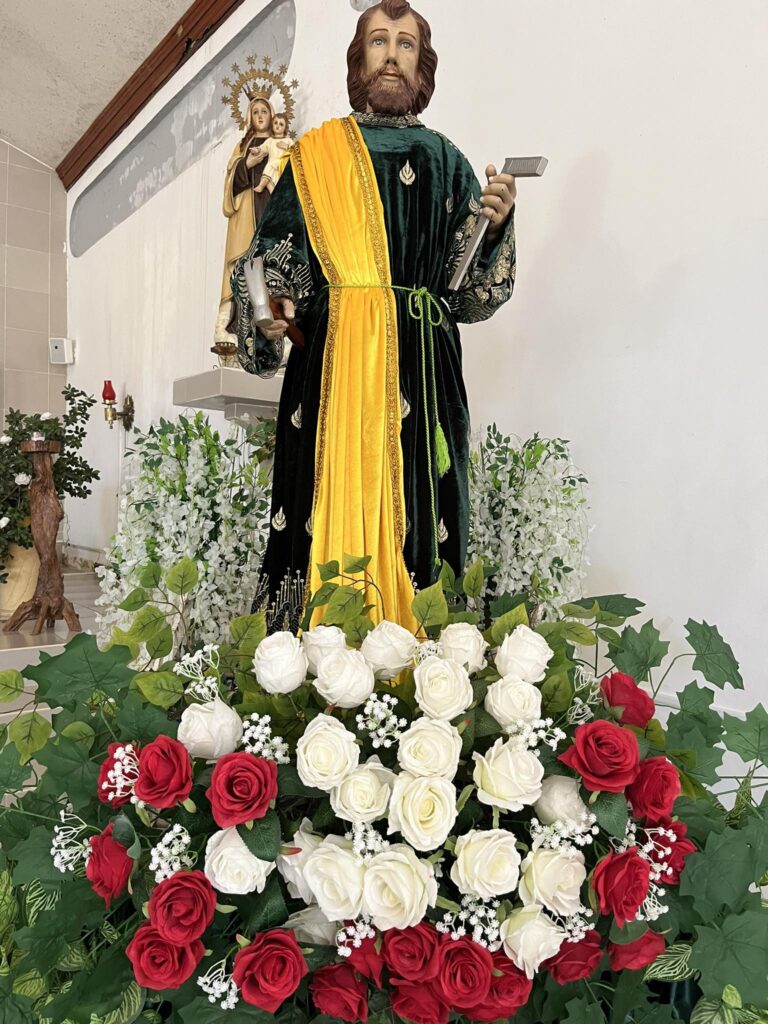
The sanctuary stands as the most sacred area of the church, housing the altar, tabernacle, and other essential liturgical furnishings. Carefully designed to reflect reverence and dignity, this space often features elevated platforms, finely crafted altars, and symbolic decorations that highlight the Eucharistic presence. Statues, sacred images, and seasonal adornments contribute to the visual richness of the sanctuary, creating a setting that deepens the spiritual experience of the congregation.

HISTORY

The Parish was established (1846)

The parish was officially established, coinciding with the founding of the town of San Narciso by Governor-General Narciso Clavería y Zaldúa.

Set in Stone (1874)

A large stone convent was constructed to serve the growing needs of the parish and its clergy.

A test of Faith (1907)

A massive fire on March 30 destroyed both the church building and the large 1874 convent.

A school for the faithful Youth (1946)

St. Joseph’s High School was founded by the parish, becoming the first Catholic educational institution in the Bondoc Peninsula.

Becoming one with Gumaca (1984)

The parish became part of the newly created Diocese of Gumaca, which was carved out from the Diocese of Lucena.

A Church at the Heart of Town Life

As the town grew, the parish became a spiritual anchor and gathering place for residents. Located at the heart of the poblacion, it hosted regular Masses, sacraments, and religious celebrations that shaped daily life in the community.

The church’s simple structure and accessible location reflected the character of the town—humble, close-knit, and faith-centered.
It remained closely tied to the livelihoods of the people—many of whom are farmers, fishermen, and workers—making the church both a spiritual and social center of the town.

Growth with the Community

Over the years, the parish continued to grow alongside the municipality, serving generations of families through baptisms, weddings, and other sacraments.

Scroll to Top