Parish
The Rich

HISTORY

of the beloved Parish of St. Francis

PARISH IDENTITY
Exterior Architecture
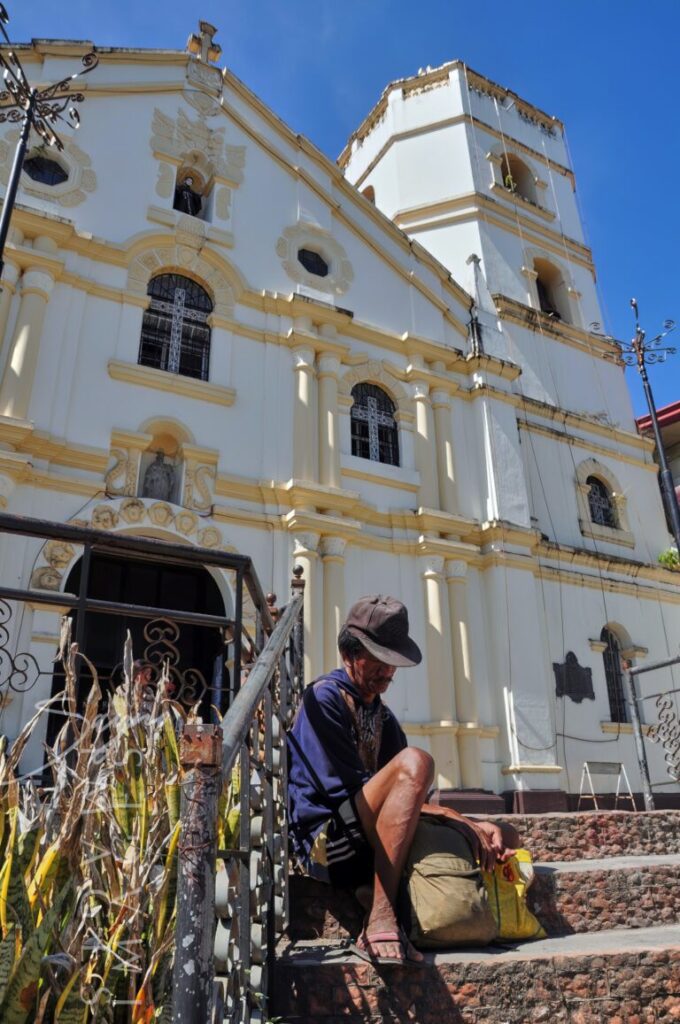
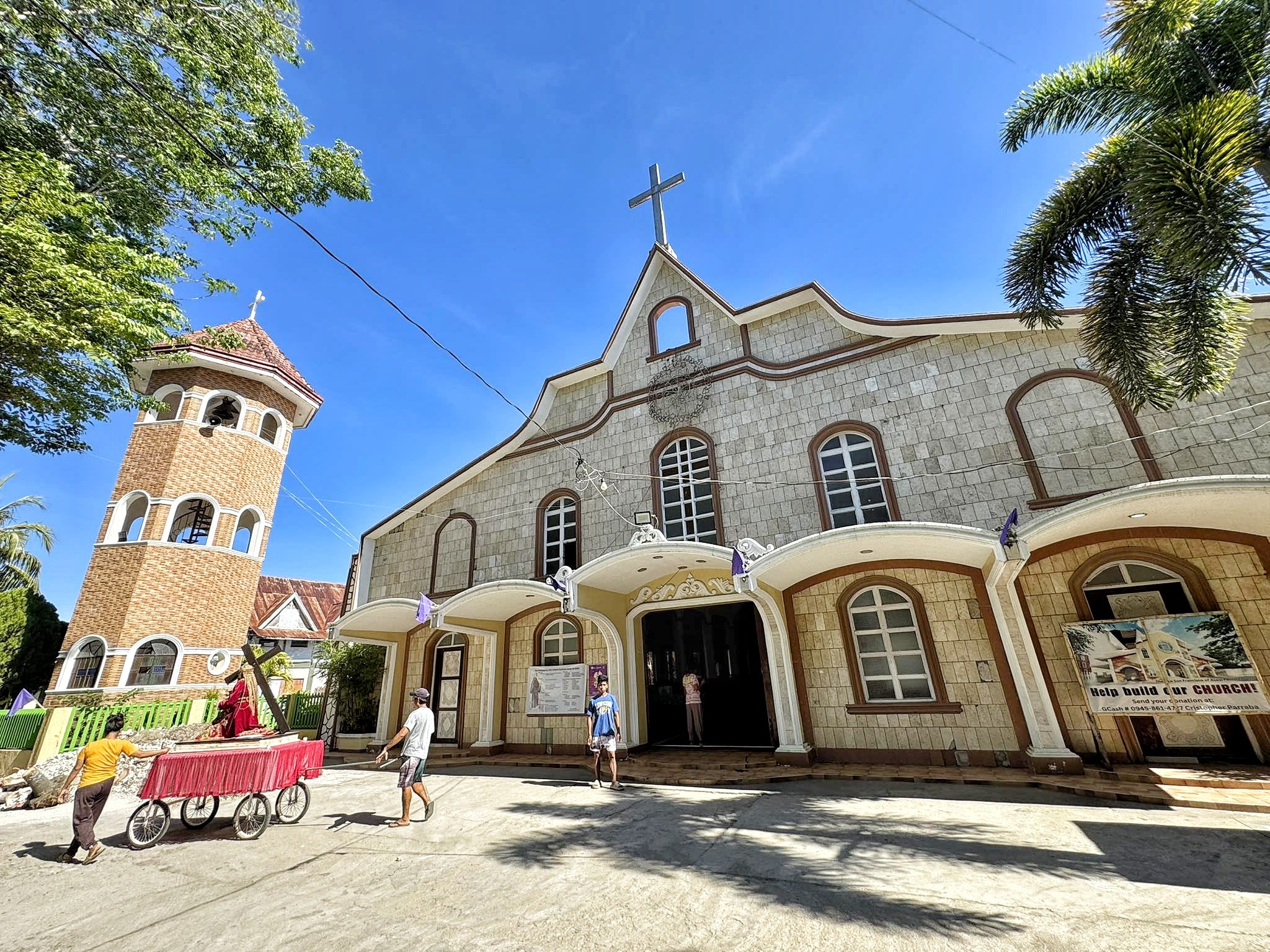
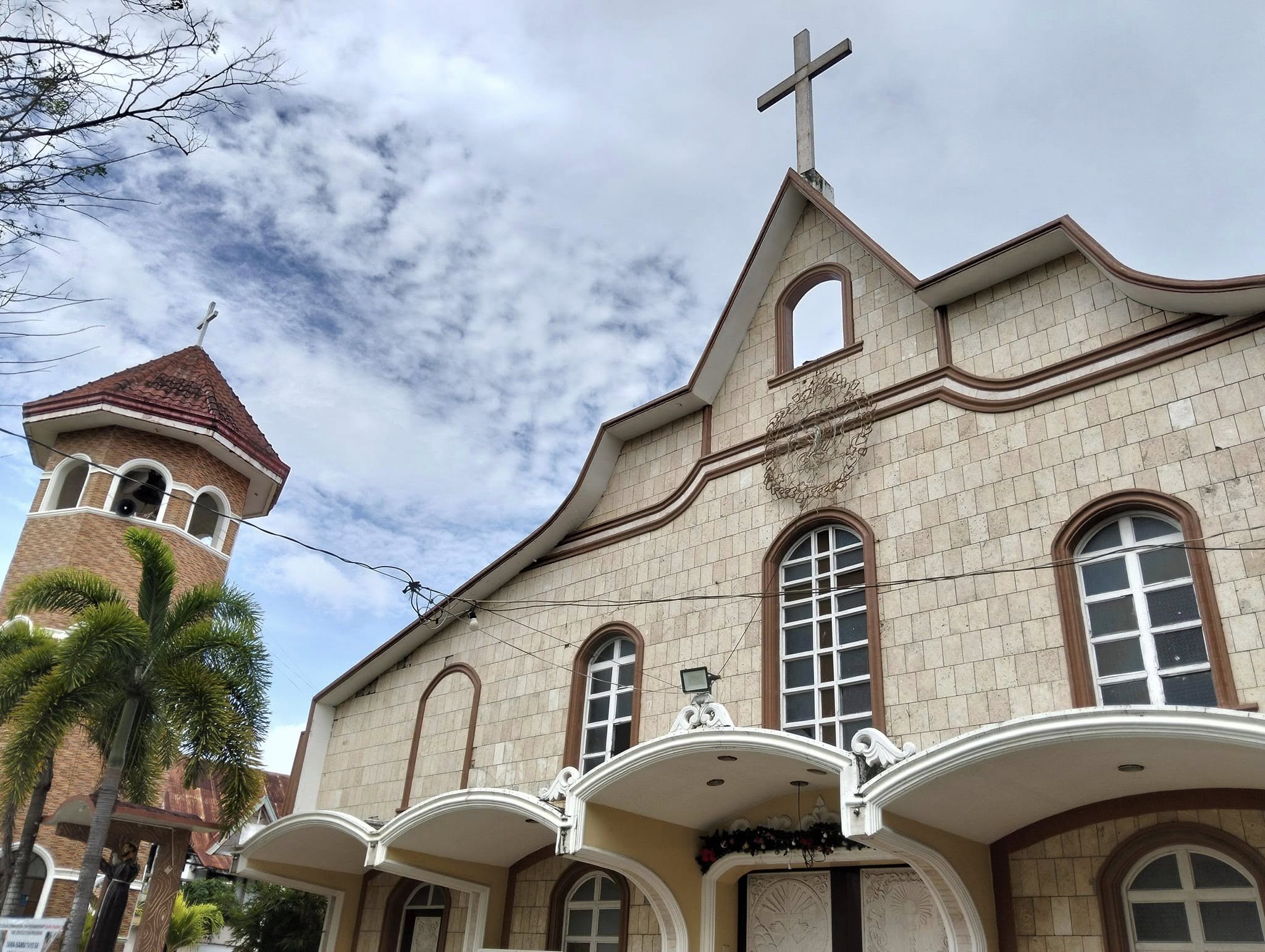
The exterior of St. Joseph the Worker Parish in Quezon City reflects the character of an urban parish shaped by both tradition and practicality. Its structure combines durable modern materials with familiar ecclesiastical forms, allowing it to stand prominently within a busy residential setting. The church’s overall design emphasizes accessibility and openness, serving not only as a place of worship but also as a visible spiritual landmark for the surrounding community.

Façade and Parish Grounds

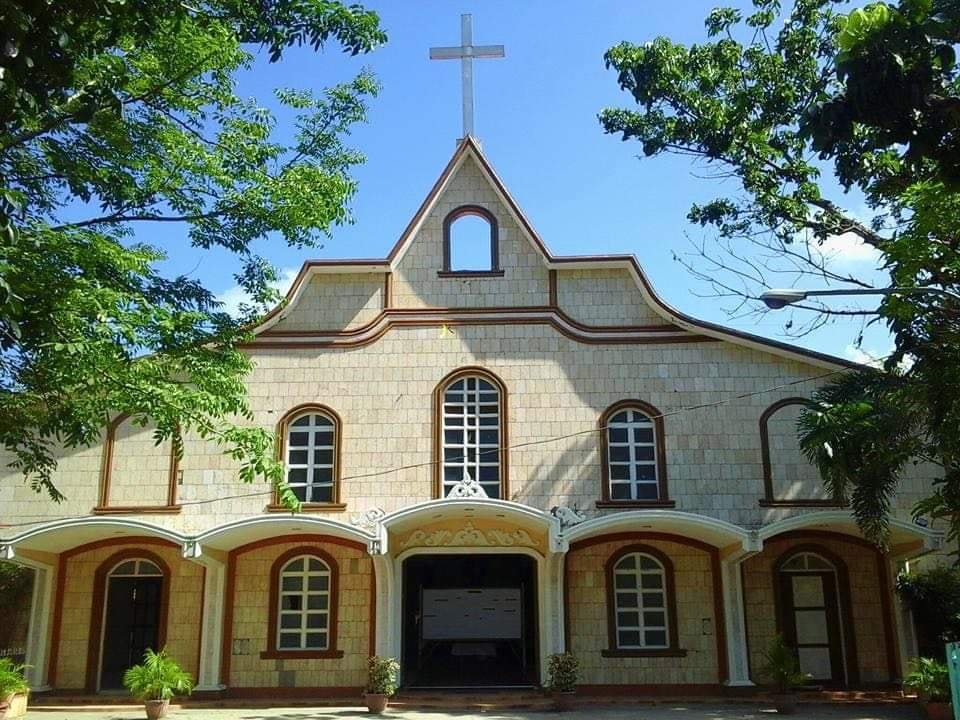
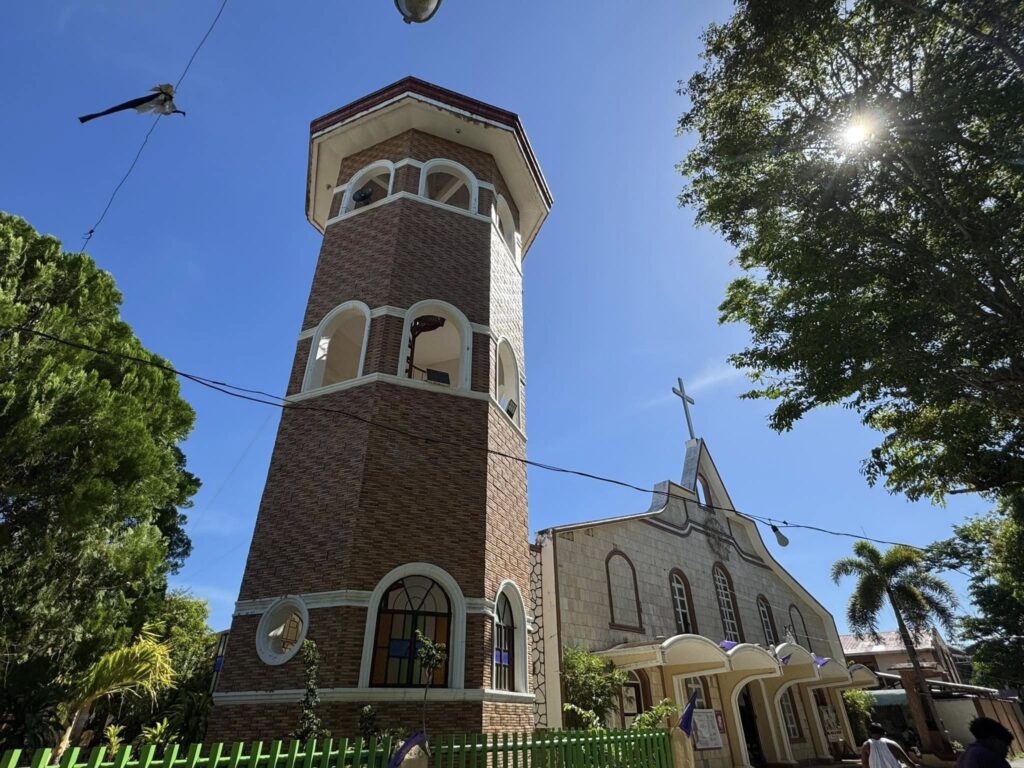
The church façade presents a welcoming yet reverent appearance, often defined by a central entrance and modest vertical elements that draw the eye upward. Religious symbols associated with Saint Joseph are incorporated into the design, reinforcing the parish’s identity. The surrounding parish grounds—whether a courtyard, open space, or adjacent structures—function as gathering areas where parishioners come together for celebrations, processions, and community activities.

Interior Worship Space

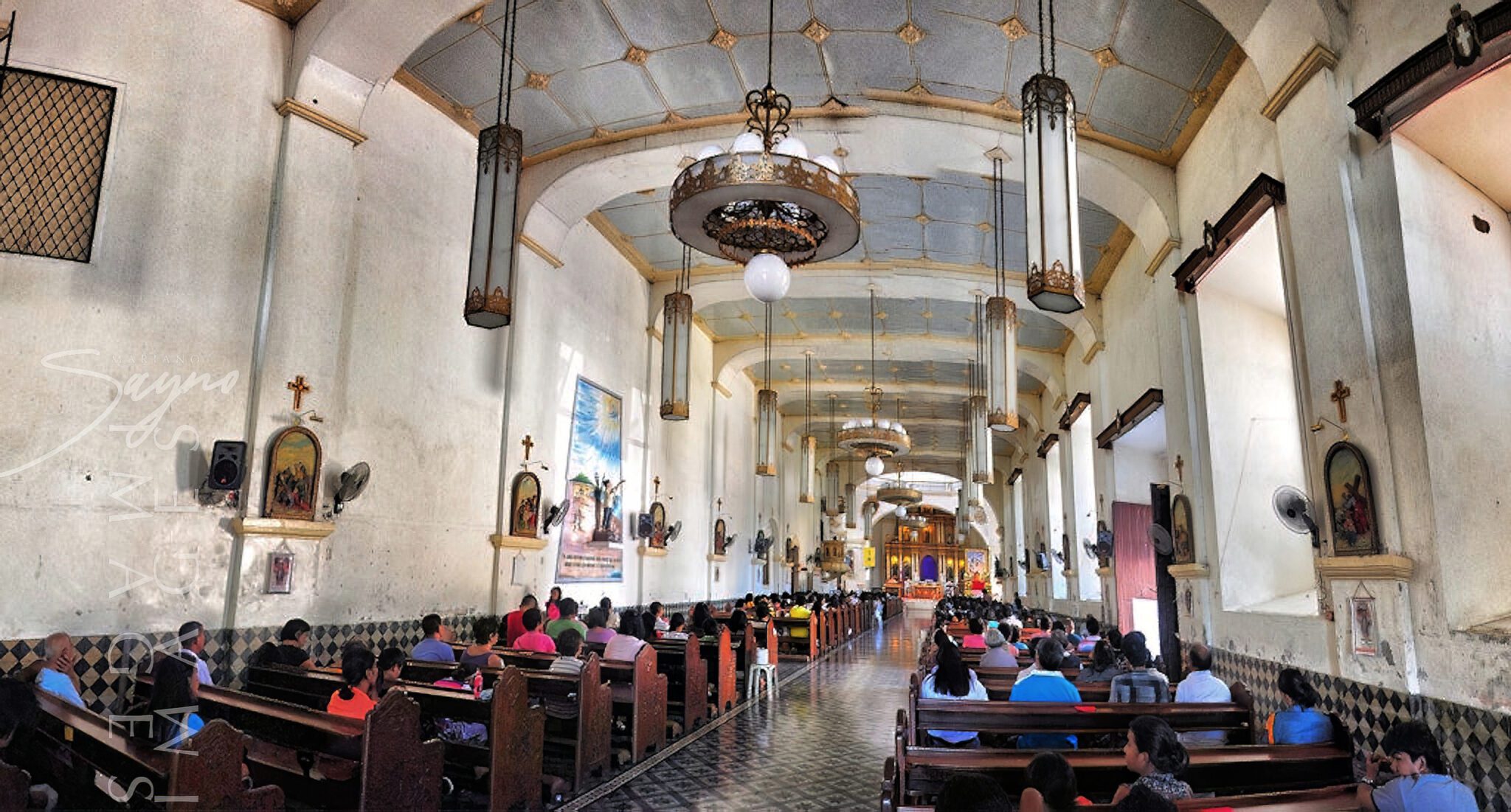
Inside, the parish church offers a calm and prayerful environment amid the activity of city life. The nave is arranged to accommodate a growing urban congregation, with seating that allows for both large assemblies and intimate moments of devotion. Light entering through windows or open spaces softens the interior, creating an atmosphere conducive to reflection. The design prioritizes clarity of sight and sound, ensuring that all present can fully participate in the liturgy.
Sariaya Church Quezon 2013 03 29 DSC 0860 marianosayno copy marianosayno 768x877

Sanctuary and Liturgical Design

At the heart of the church lies the sanctuary, carefully arranged to highlight the altar as the center of worship. The placement of the tabernacle, lectern, and sacred images reflects the liturgical traditions of the Diocese of Gumaca, to which the parish belongs. Decorative elements remain balanced and purposeful, enhancing the sacred character of the space without detracting from its primary function. Through its design, the sanctuary invites reverence and underscores the spiritual life of the parish community.

HISTORY

Establishment of the Parish (April 27, 1954)

The parish was formally founded on the same day the municipality of San Francisco was created. Originally part of Mulanay, the town was named after its patron saint, St. Francis of Assisi.
The First Patronal Feast (October 4, 1954)

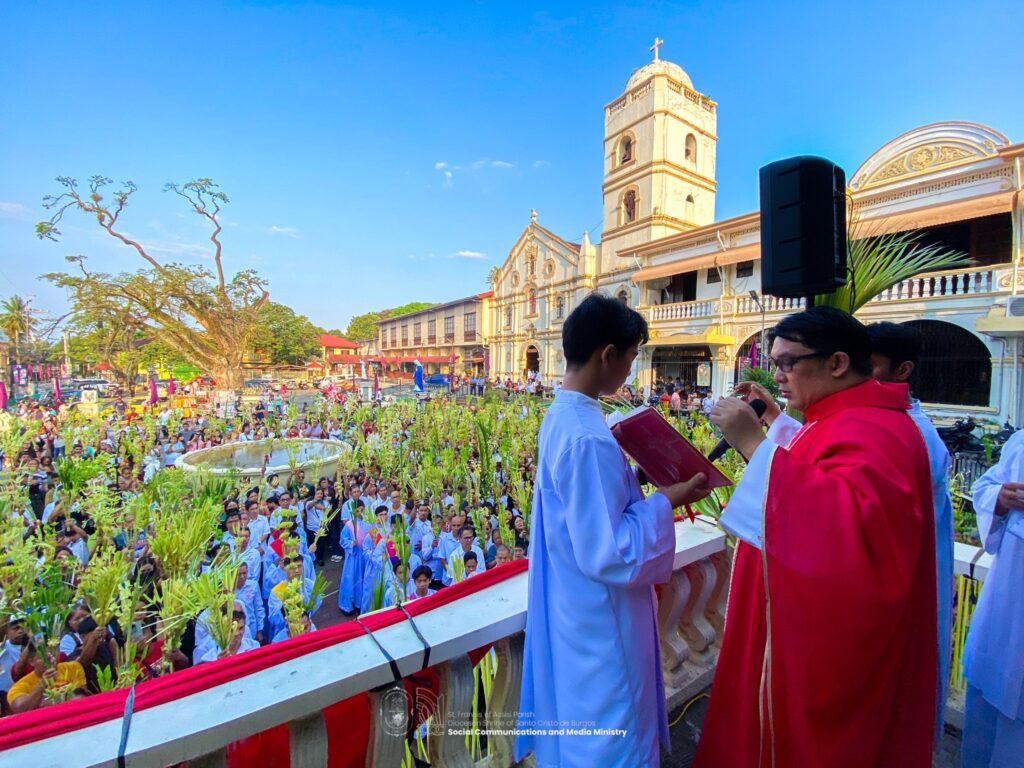
The community celebrated its first official feast day as an independent parish. This event solidified the identity of the townspeople under the spiritual guidance of the Franciscan tradition.

Transition to the Diocese of Gumaca (April 9, 1984)

Following the decree of Pope John Paul II, the parish was transferred from the Diocese of Lucena to the newly established Diocese of Gumaca to better manage the spiritual needs of the Bondoc Peninsula.
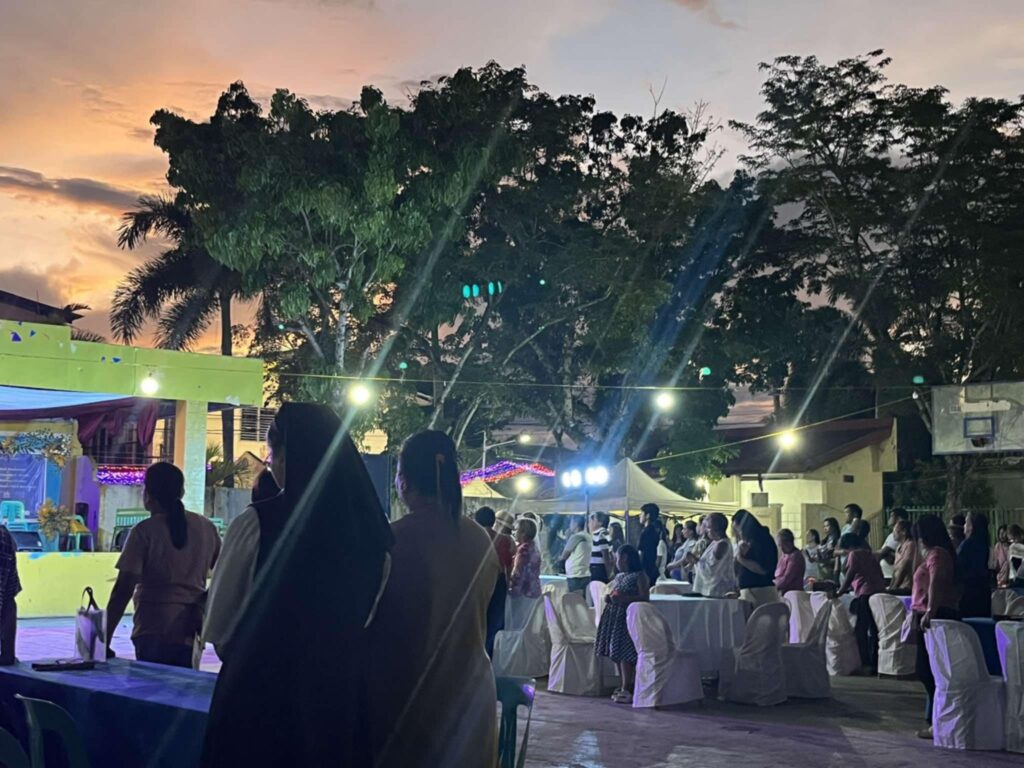
The Golden Jubilee Anniversary (October 4, 2004)

The parish reached its 50th year. This milestone was marked by major renovations to the church facade and the strengthening of the Basic Ecclesial Communities (BECs) within the town’s barangays

Inauguration of the New Parish Hall (October 4, 2017)

Significant infrastructure developments were completed to provide a dedicated space for community formations, youth activities, and parish administrative functions.
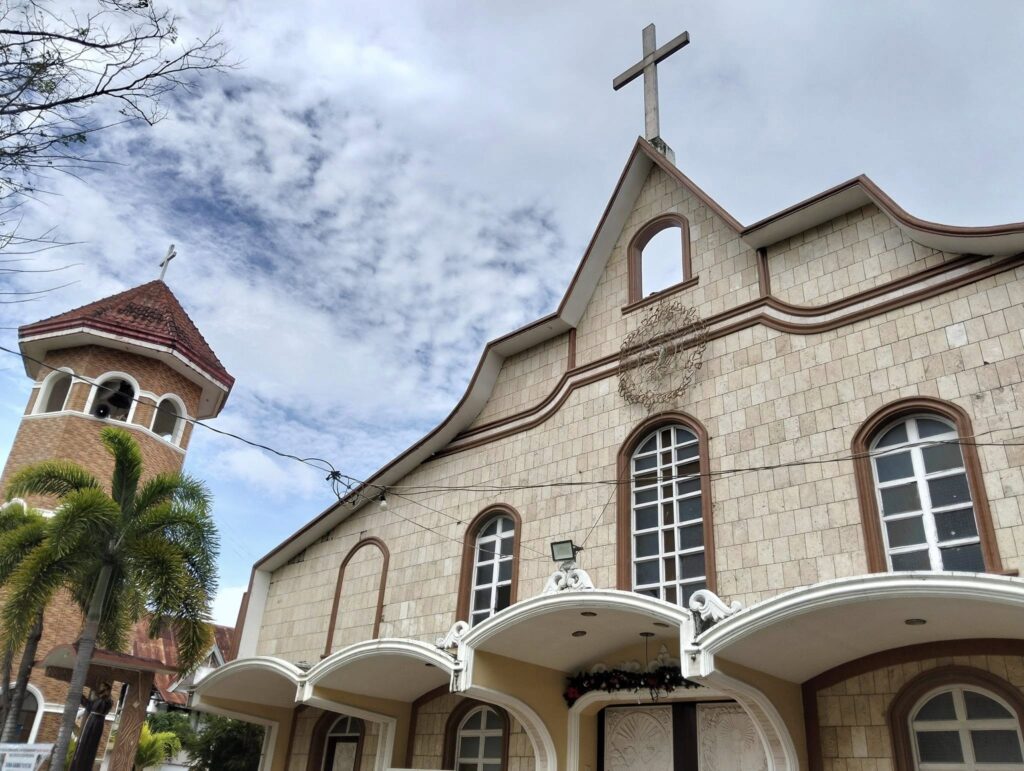

The 70th Founding Anniversary (Platinum Year) (October 4, 2024)

The parish celebrated seven decades of faith. The festivities emphasized the “Stewardship of Creation,” honoring St. Francis’s role as the patron of ecology through town-wide environmental initiatives.

The Parish Today

Today, the St. Francis of Assisi Parish Church remains at the heart of San Francisco, Quezon, continuing its role as a place of worship, tradition, and community life. Its history reflects the enduring connection between faith, work, and the everyday lives of its people.

Scroll to Top